In Which Month Is Cygnus Best Seen in
The constellation is prominent in the Northern hemisphere but can also be viewed in the Southern hemisphere. NGC 7000 The North American Nebula.
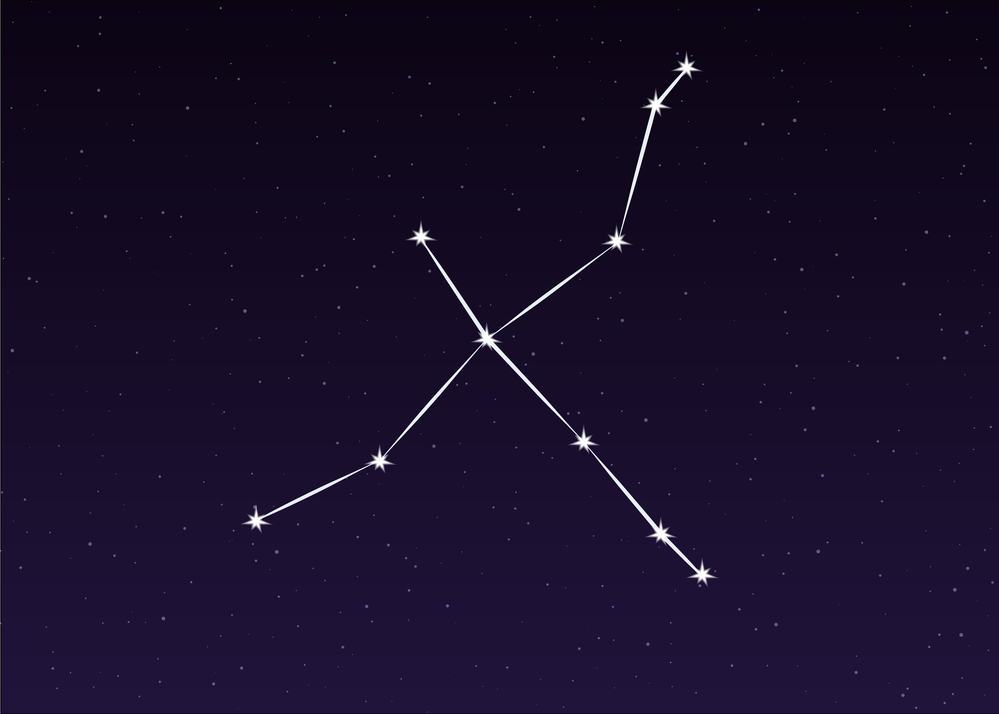
Cygnus Constellation The Ultimate Guide 2022 Planet Guide
Cygnus has importance both to ancient Greek mythology and astrology and that is way Ptolemy added it to his original.

. Cygnus is the 16th largest constellation and is easily recognisable for its distinctive cross pattern that resembles a swan in diving flight. 1 Cygnus is one of the most recognizable constellations of the northern summer and autumn and it features a prominent asterism known as the Northern Cross in contrast to the Southern Cross. The boundary of the Cygnus constellation contains 85 stars that host known exoplanets.
How to See a Star Explode in 2022. Cygnus the swan is best seen in the summer season - its bright star Deneb is part of the Summer Triangle. The best time of year to see the stars and deep sky objects of Cygnus is during the month of September when the constellation is high in the evening sky.
I usually see this best with the naked eye as a milky patch just to the east of the bright star Deneb. It sits in the plane of the Milky Way and is rich with sky objects. By August its directly overhead at midnight.
Cygnus is a northern constellation on the plane of the Milky Way deriving its name from the Latinized Greek word for swan. For every hour before 900 subtract half a. In a telescope the count increases to about 15 sparsely concentrated stars.
Transit at Midnight of Alpha Cygni. Cygnus rises in the northeast after midnight during spring. It is an ancient constellation that dates back to Greek times.
Cygnus is visible at some time of night nearly all year long to observers in the Northern Hemisphere. It contains 84 stars nine of which make up. For northern hemisphere observers Cygnus is conspicuous in the night sky from June to December.
Cygnus the swan is a distinctive cross-shaped constellation best seen in the Northern Hemisphere during the summer and fall months around September. The swan almost perfectly dissects the summer triangle headed half way between Vega and Altair. Best visible at 2100 9 pm during the month of September.
This is the 16th largest constellation in the night sky and it lies in the fourth quadrant of the northern hemisphere. The very best time to see it is during the mid-summer months when it will be easy to find almost directly overhead on any clear summer night. Cygnus is one the most easily recognizable and brightest constellations in the night sky.
Cygnus can be viewed best in the summer months - if youre in the Northern Hemisphere. Cygnus is visible during the evening hours starting in May and continuing on through December. Cygnus Delphinus Vulpecula and Equuleus are northern constellations while Capricornus Microscopium and Indus are located in the southern sky.
Cygnus is the Latin word for Swan and has roots in Greek mythology due to its connection to Zeus and Leda. It reaches from almost 19 hours in the west to 22 hours in the east and runs from 27 degrees to 60 degrees north declination. The star pattern astronomers know as Cygnus appears high in the sky beginning in July and is still visible late in the year.
This constellation is stretches across 804 square degrees of one of the richest areas of the Summer Milky Way. Its brightest star is Deneb at magnitude 125. These include two open star clusters M29 and M39 which are both easily seen with a decent pair of binoculars.
For every hour later than 900 add half of a month. It is one of the 88 officially recognized modern constellations and was among the 48 constellations listed by the Second Century Greek astronomer Ptolemy. M-29 This small open cluster is seen through binoculars as a diamond shaped grouping of about 6 to 8 stars in a nice field.
The Cygnus constellation is the 16th largest in the sky. It is associated with the beautiful Queen Leda and Zeus King of the Gods who had an undying love. The constellations best seen in September are Capricornus Cygnus Delphinus Equuleus Indus Microscopium and Vulpecula.
Its central area is cross-shaped and that asterism within the constellation is called the Northern Cross. Red supergiant KY Cygni is the 6th largest known star in the universe at 1400 times the size of the Sun. Cygnus is a northern constellation that sits along the path of the Milky Way.
Constellations Sorted by Month This is a list of all 88 constellations split up into the months when they are best seen in the sky. Cygnus is visible to all observers at latitudes between 90 and -40 and is best seen at culmination during the month of September. The name Cygnus is a Latinized version of the Greek word for swan.
Cygnus the swan or northern cross visible from June to December. September is the best time of year to observe a number of interesting deep. The months listed assume that you are looking at the sky at 900 PM.
During the month of September at 900pm. In the Northern hemisphere the constellation can be seen from June to December. Cygnus represents a swan with a long neck and flapping wings.
It is one of three constellations that lends a star to the asterism called the Summer Triangle which is another stargazing feature that is high in the. Cygnus can be found in the sky by locating the constellations of Lyra or Vulpecula. 89 rows These are not all the constellations that can be seen in the evening sky at any particular time but simply those that are best observed at the given time of year.
For the first time astronomers are confidently predicting how to see this type of brilliant blast which will be. It can be seen overhead during the summer months in the early evening and in the northwestern sky throughout autumn. The Northern constellation of Cygnus the Swan is best viewed in Fall during the month of September.
The celestial waterfowl swims through the river. By late December Cygnus sets a couple of hours after sunset.
Astronomy And The Stars Storm Lake Ia Official Website Constellations Star Chart Space And Astronomy
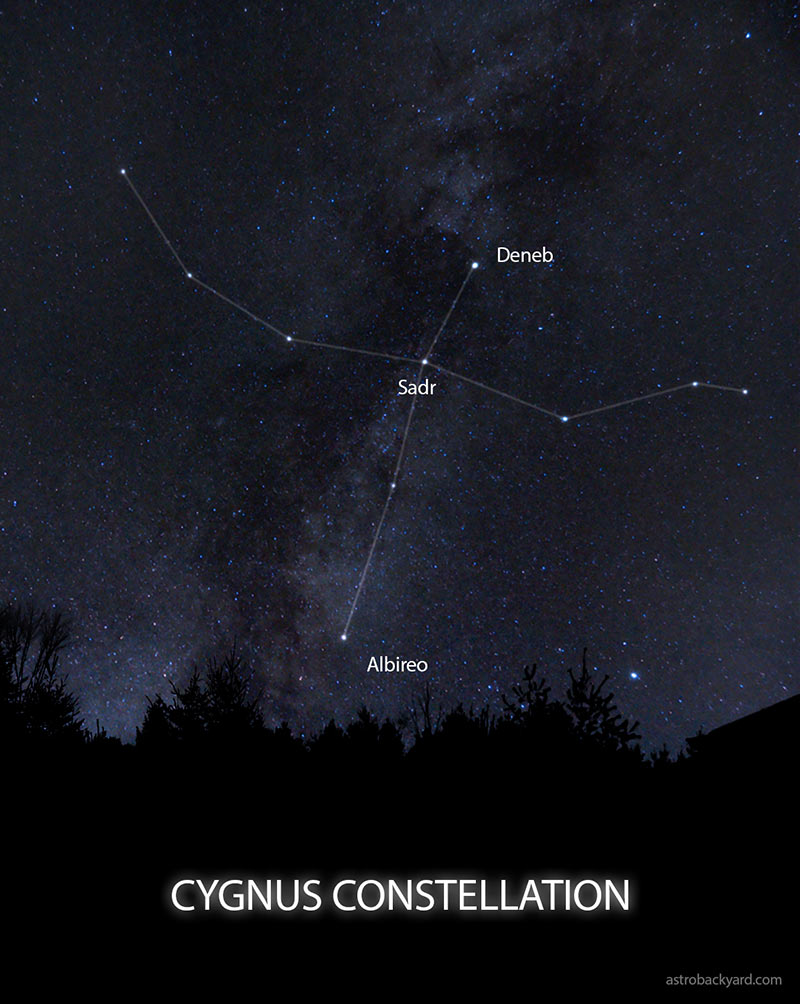
The Constellation Cygnus Facts Location Photos And Mythology

Summer Triangle Summer Triangle Star Party Indiana State


Comments
Post a Comment